
ROUNDTABLE 3.2
Beyond Borders: Regional Value Chains and Green Industrial Corridors
Description
Interregional economic corridors are key drivers of development, linking markets, boosting trade and supporting industrialization around the world. For LDCs and LLDCs, they help overcome geographic barriers, expand market access, and strengthen regional cooperation.
In Africa, flagship corridors such as Lobito, Maputo, and Abidjan–Lagos—alongside initiatives like the Mano River Union Corridor—are improving connectivity and inclusive growth. Integration through African Power Pools and Regional Sustainable Energy Centres shows how a low-carbon, continent-wide electricity and economic corridor system could advance green industrialization and shared prosperity. In Central Asia, corridors linking Kazakhstan, Uzbekistan, Turkmenistan, Kyrgyzstan, Tajikistan, and Azerbaijan—such as the Trans-Caspian Route and CAREC networks—facilitate trade, energy exchange, and coordinated industrial development.
However, many corridors lack integrated, climate-resilient planning that aligns energy, transport, and industry. This leads to fossil fuel lock-in, non-resilient infrastructure, and missed opportunities for green jobs and industrial upgrading. By pooling renewable energy resources and leveraging critical minerals, countries can decarbonize industries, meet emerging ESG and carbon standards (e.g., CBAM), and build competitive green value chains—including clean technology manufacturing, battery industries, and green hydrogen.
This roundtable explores how regional energy cooperation and cross-border planning can accelerate green industrial corridors, strengthen value chains, and support inclusive, climate-aligned industrial transformation in line with global and regional commitments such as COP29, the Belém Declaration, the AfCFTA, and the African Single Electricity Market.
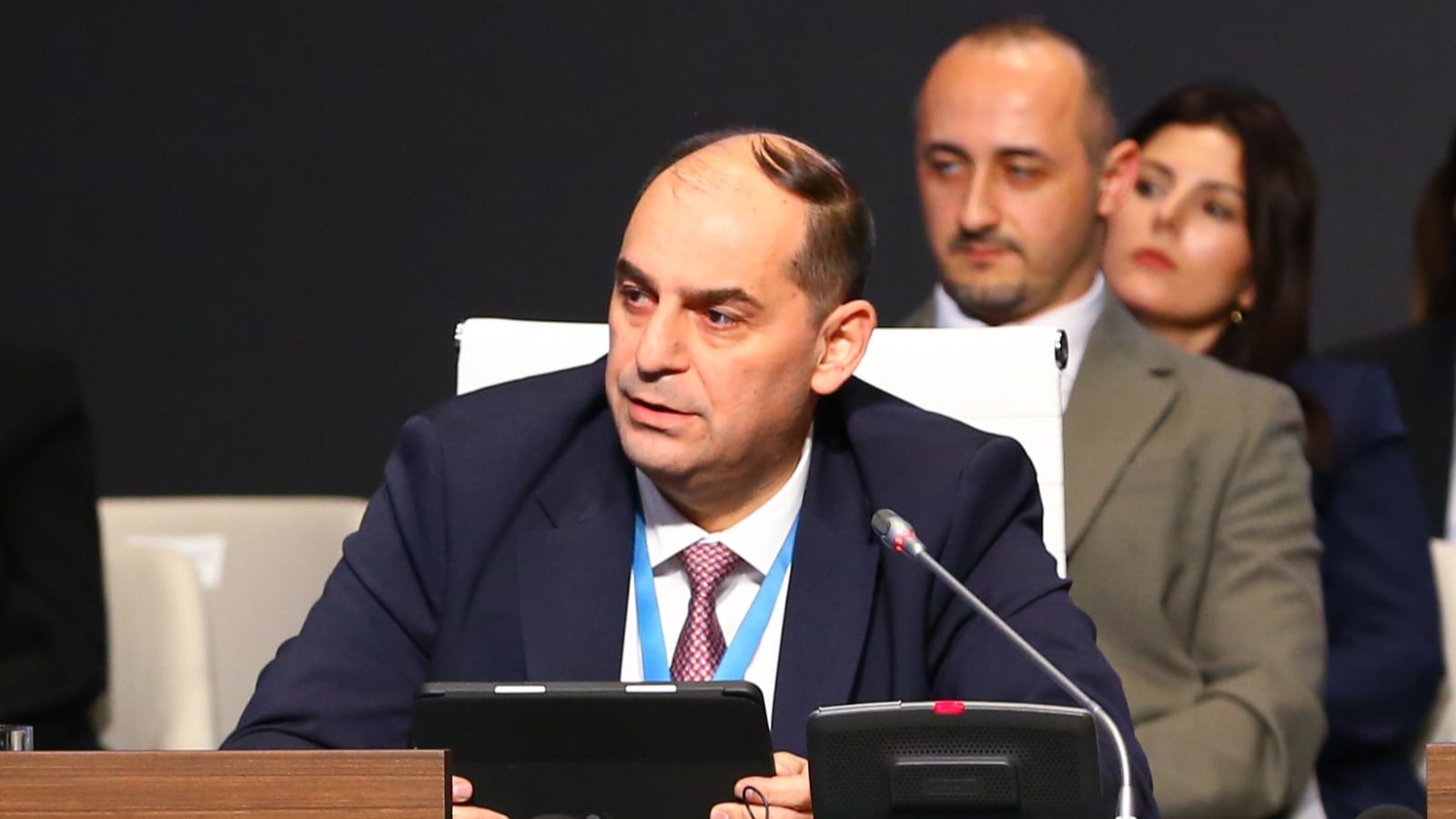
Speakers
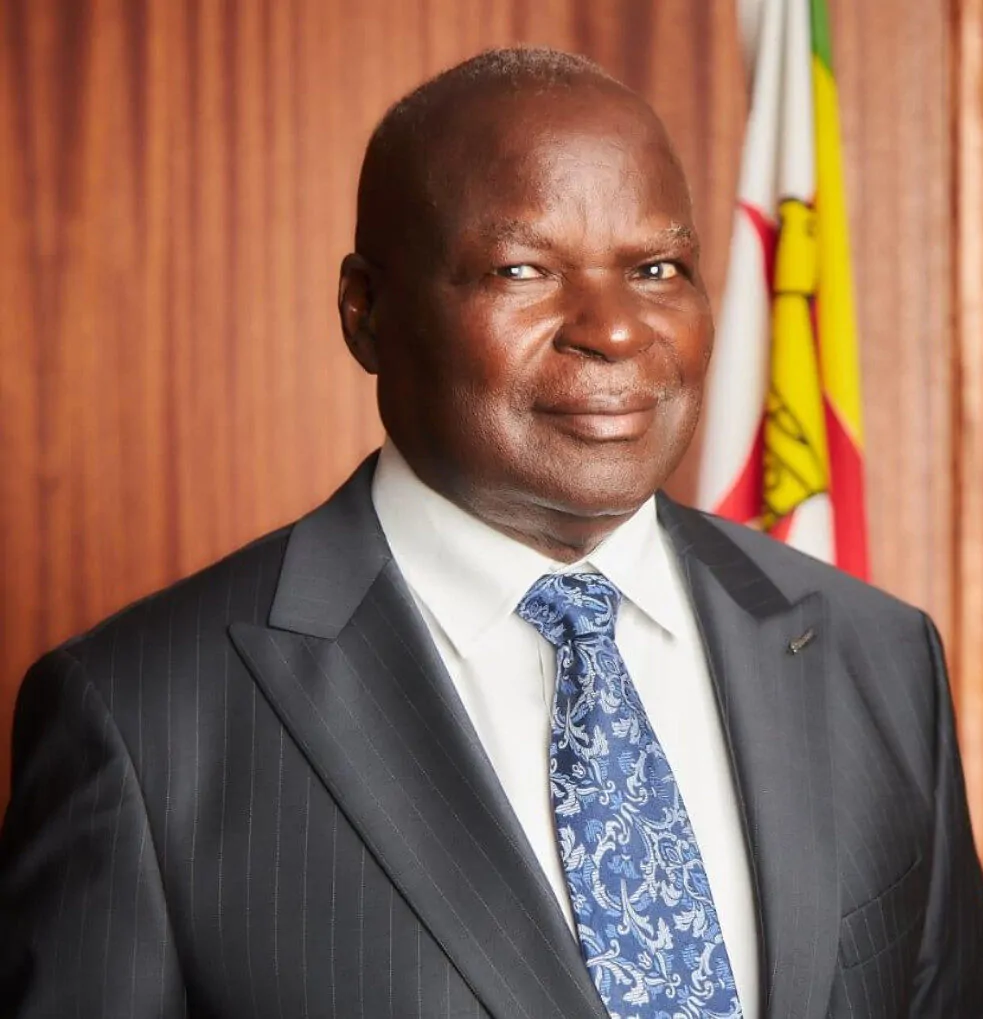
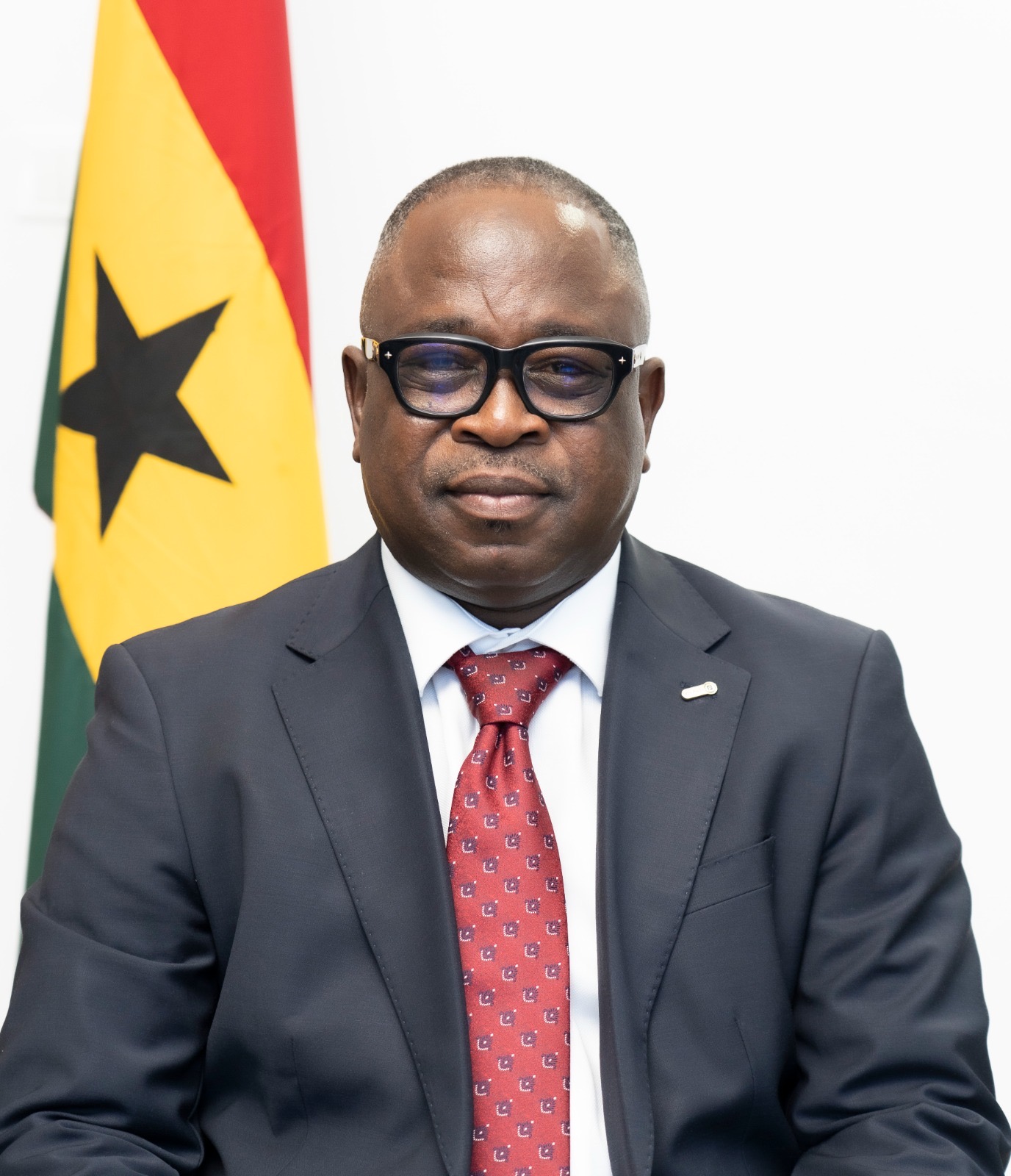

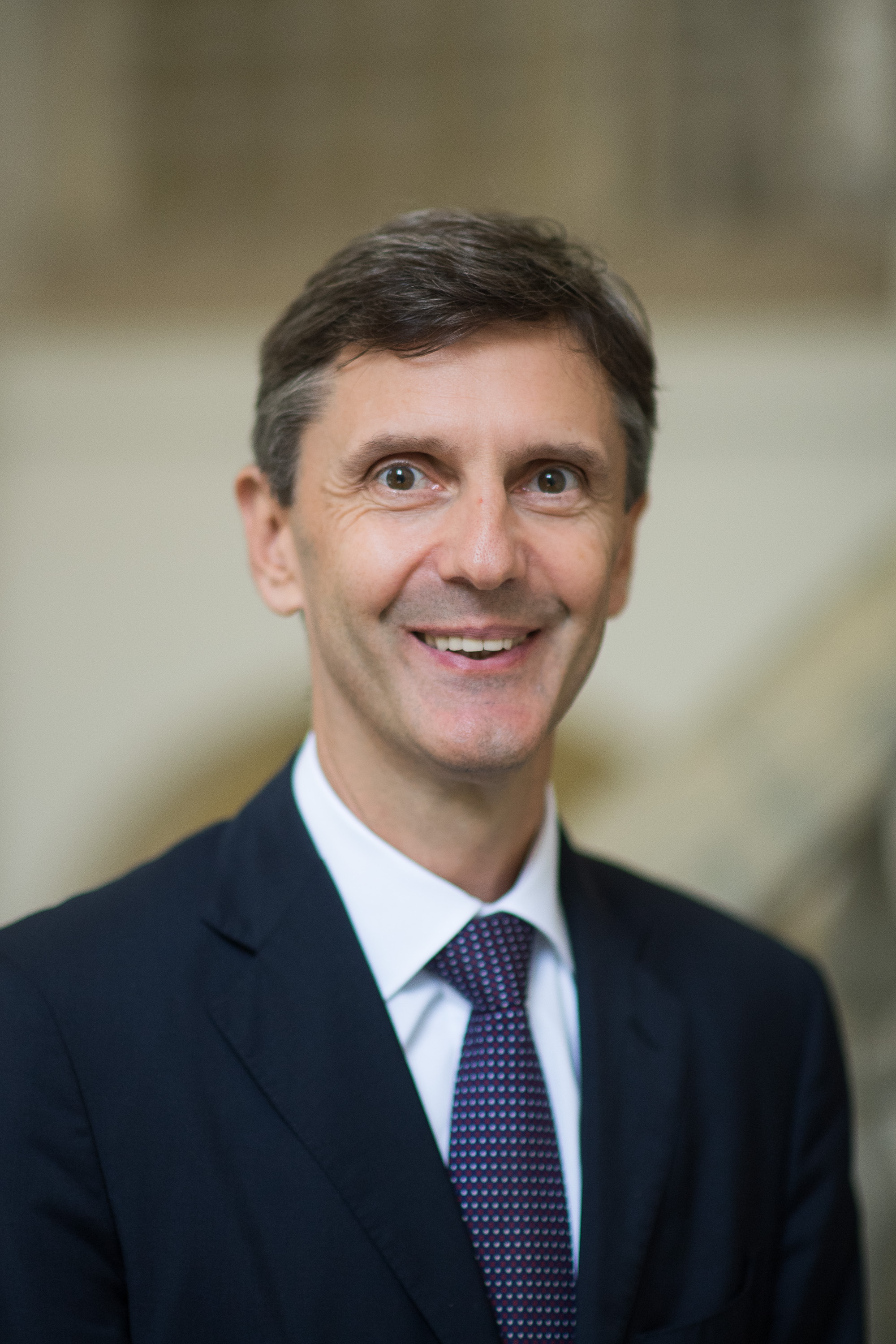
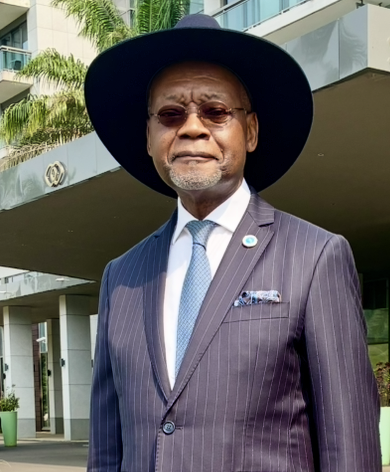
Mr. Maurice Niaty-Mouamba
Economic Community of Central African States (ECCAS)
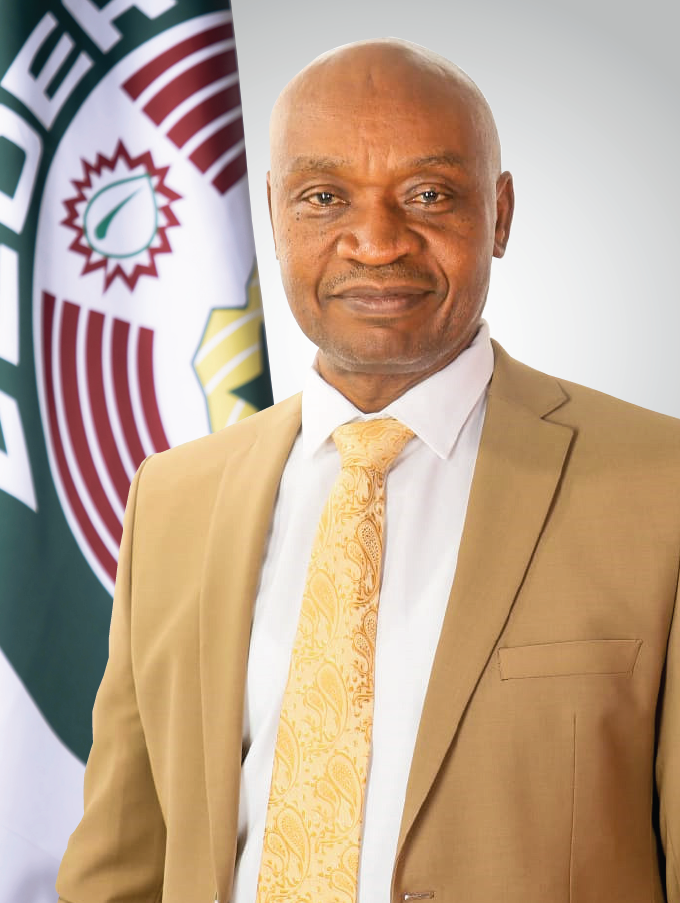
Mr. Gibson Obasi
ECOWAS Centre for Renewable Energy and Energy Efficiency (ECREEE)
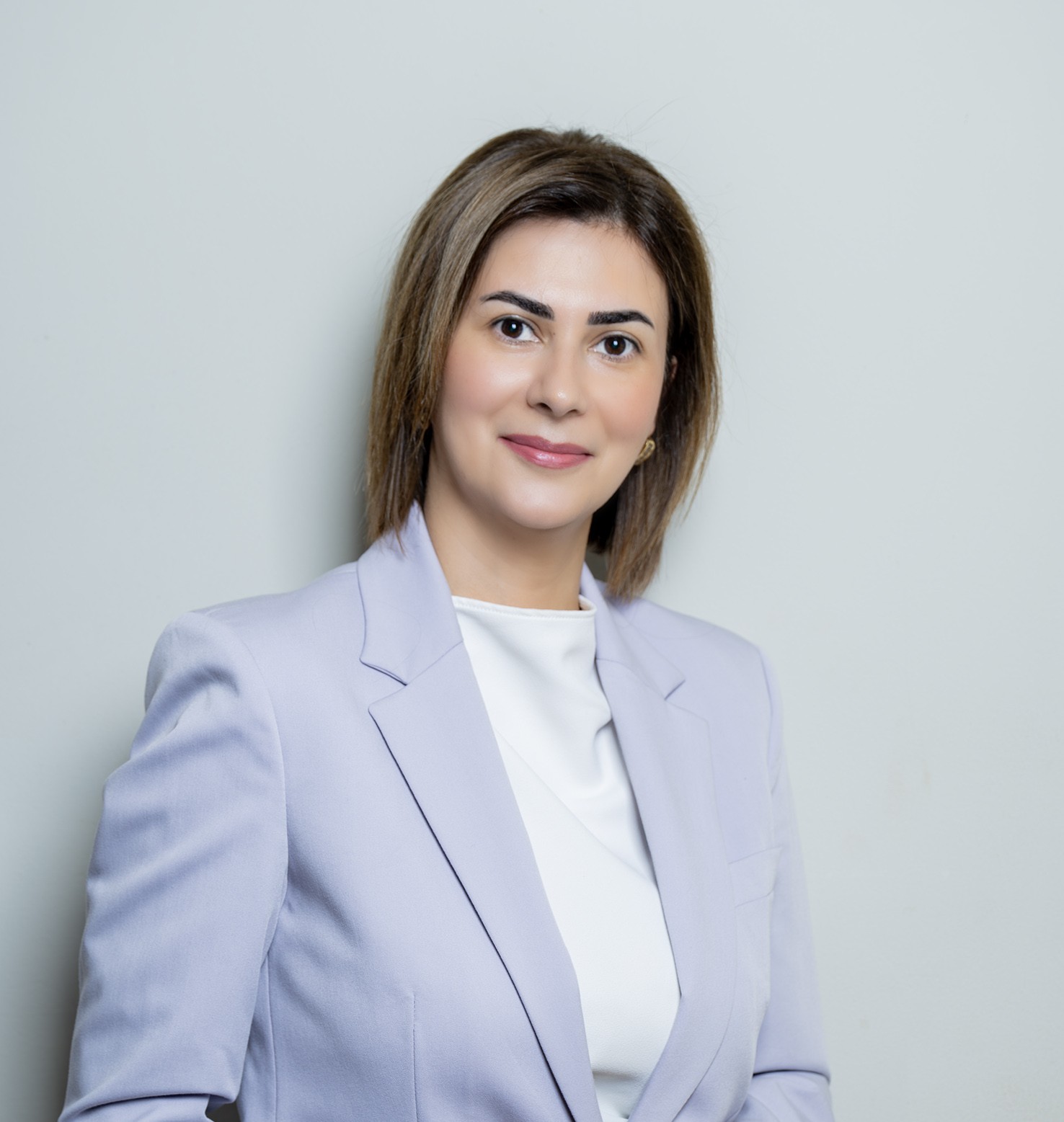
Ms. Aysel Yagubova
Clean Energy Centre of the Economic Cooperation Community (CECECO)

Ms. Rana Ghoneim
United Nations Industrial Development Organization (UNIDO)

Mr. Daniel Alexander Schroth
African Development Bank (AfDB)

.png)
Ms. Yala Conceição Hivernon
United Nations Industrial Development Organization (UNIDO)

Related Sessions
Browse other sessions that explore related topics and perspectives.